How to Write Etsy Tags That Sell (Without Violating Trademark Policy)
Stop relying on risky brand names for traffic. Learn the step-by-step framework to write descriptive, high-converting Etsy tags that protect your shop.
Author
Paarath SharmaExecutive Takeaways
- Effective tags describe the product's color, use, and recipient, not a brand.
- Avoid piggybacking on popular brand names for short-term traffic.
- A pre-publish compliance scan helps filter out accidentally protected terms.
Introduction
You know tags matter. You spend hours researching keywords. But every high-volume term you find seems to be trademarked. Disney, Taylor Swift, Lululemon, Oofos. You feel stuck. Use the risky tag and risk a strike. Use a generic tag and lose visibility. If you are searching for how to write Etsy tags that sell without violating trademark policy, you are asking the right question. This guide gives you a practical, empowering framework to build high-converting tags that keep your shop safe. No more guessing. No more fear. Just a clear path to compliant, traffic-driving keywords.
Why Accurate Tags Outperform Brand Name Tags
Many sellers believe that naming a brand or franchise in their tags is the fastest way to get found. This is a myth. Etsy's search algorithm rewards relevance and accuracy, not brand name stuffing.
- Etsy search prioritizes item attributes. Tags that accurately describe your item's physical traits, materials, and use case perform better long-term.
- Brand name tags attract the wrong buyers. If they click your "Disney inspired" listing and realize it is not what they expected, they bounce.
- Trademarked tags carry account risk. Using protected brand names is commercial trademark use. Learn more in our guide Is Oofos Trademarked on Etsy?.
- Generic tags can be highly specific. "Boho wedding decor" is a precise aesthetic descriptor that attracts a targeted audience.
Common Mistakes Sellers Make When Writing Etsy Tags
- Using brand names with modifiers. Adding Disney style or Lululemon dupe still uses protected trademarks commercially.
- Stuffing tags with trending but protected terms. Trending amplifies enforcement scrutiny.
- Copying competitor tags without vetting. Just because another shop uses Marvel does not mean it is compliant.
- Forgetting to audit old listings. Tags you added months ago might contain high-risk terms. Learn how to write safe listings in How to Write an Etsy Listing That Won't Get Taken Down.
How to Write Safe, High-Converting Etsy Tags
Step 1: Start With Your Item's Physical Attributes. List what your item actually is: materials, dimensions, colors, function.
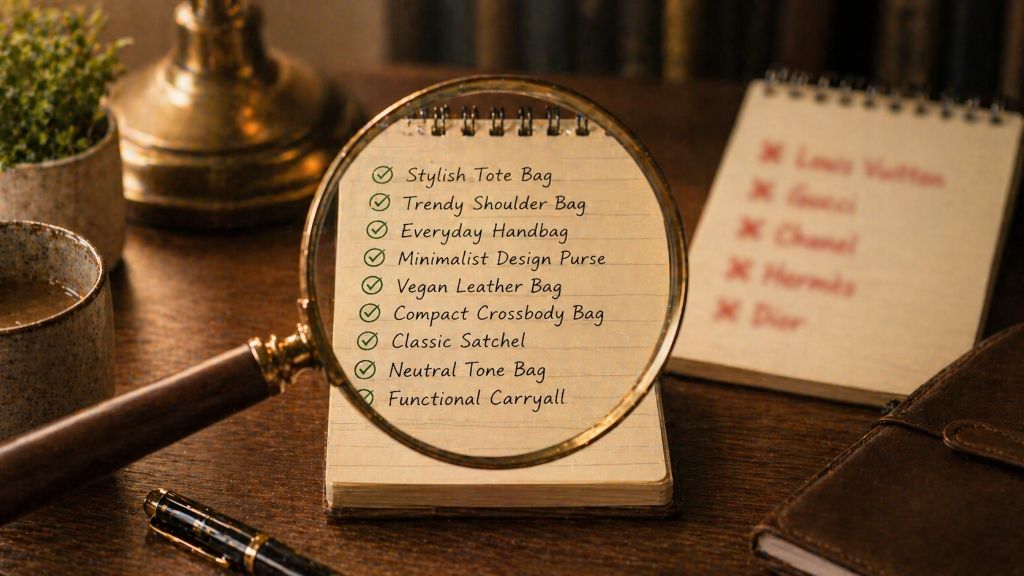
Step 2: Pivot From Brand Tags to Aesthetic Tags. Instead of Disney princess dress, try "whimsical ball gown" or "fantasy party dress."
Step 3: Add Recipient and Occasion Tags. Who is this item for? When is it used? Try "gift for mom" or "wedding decor."
Step 4: Include Style and Era Descriptors. Describe the aesthetic: "boho chic," "cottagecore," "1920s flapper style."
Step 5: Use Long-Tail Keyword Phrases. Combine attributes for precision: "personalized aluminum keychain."
Your Tag-Brainstorming Safety Net: Make ListSecurely Your Final Step
Writing safe, high-converting tags takes practice. You might draft a great list of keywords, but still miss a hidden trademark risk.
This is where ListSecurely becomes your essential workflow partner. Write your best tags, then run them through ListSecurely to ensure they are safe before you publish. Use the Etsy Listing Compliance Checker to instantly vet your draft title, tags, and description.
Try the Etsy Listing Compliance Checker
Think of ListSecurely as your pre-publish insurance policy for keyword strategy. You do not have to choose between visibility and safety. ListSecurely helps you achieve both.
Paarath Sharma
Founder & SEO Expert
Paarath Sharma is an SEO specialist and e-commerce software architect. After years of analyzing how search algorithms and marketplace policies evaluate listings, he built ListSecurely's compliance engine to help Etsy sellers protect their store visibility and avoid preventable algorithm penalties.